
Rental Ramadan Tents in UAE: Sizes, Cost, and Setup Tips
View MoreEvery year, the same thing happens. Families and companies wait until the last two weeks before Ramadan, call five suppliers, and learn the good tents are already booked. Then they settle for whatever is left.
You can avoid that. Rental Ramadan Tents are now a normal part of life in the UAE. Villas, hotels, offices and mosques use them to host iftar and suhoor, and demand peaks at the same time every year. Supply does not grow to match it.
Why Ramadan Tent Rental in the UAE Books Up So Fast
The reason is simple. Most people need a tent for the same 30 nights. Hotels, companies, and families all compete for the same stock, the same crews, and the same delivery trucks. Ramadan 2027 is expected to start in February. That means many good suppliers start taking bookings in late autumn and early winter. If you book in the final week, you get fewer choices and higher prices.
Start your search at least six to eight weeks before Ramadan.
The Main Types of Rental Ramadan Tents
Not every tent suits every event. Here are the most common options in the UAE, ranked by how often people actually need them.
Option 1: Arabic Majlis Tent
This is the most popular choice for home gatherings and family iftar. A majlis tent rental usually comes with low floor seating, cushions, carpets, and traditional patterns inside. It feels warm and personal. It works best for 20 to 80 guests. It suits villas, farms, and private gardens.
Option 2: Frame Tent for Corporate and Hotel Events
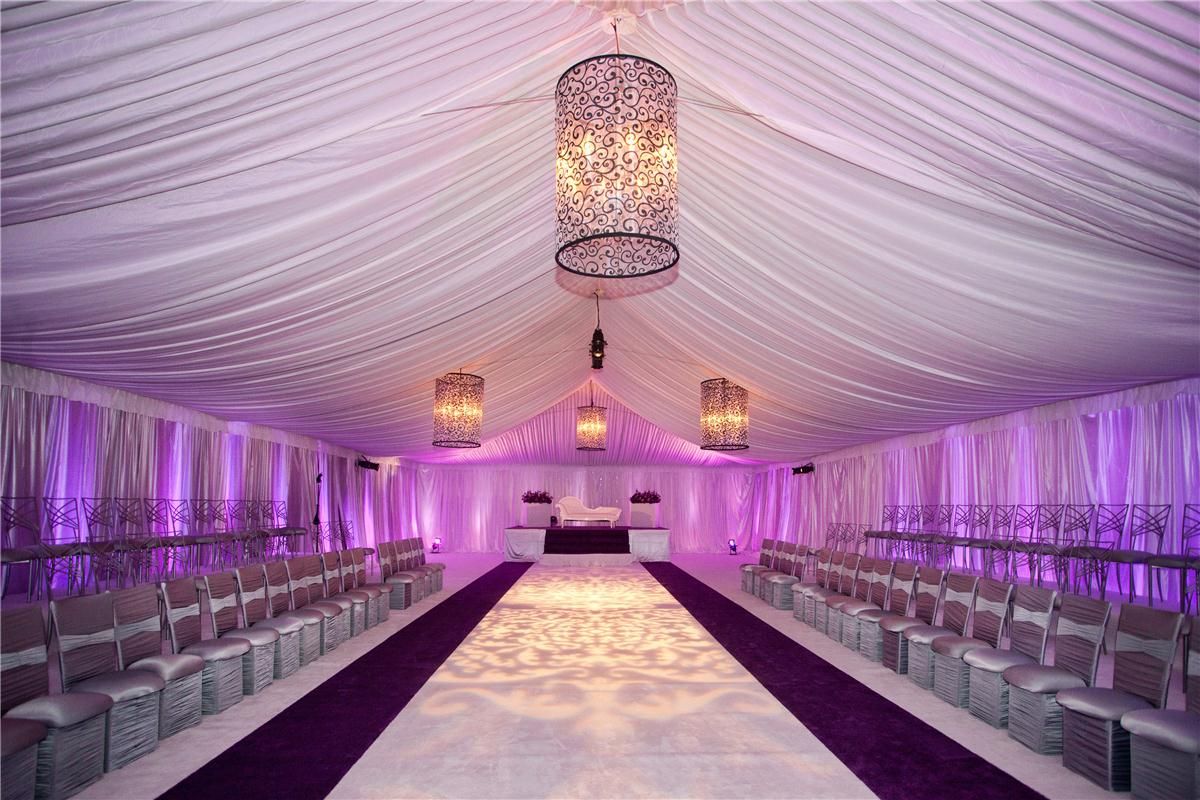
Corporate Ramadan tents are usually large frame structures. They have no center poles, so you get open space for tables, a buffet, and a stage. Hotels often use them for public iftar and suhoor tents that run for the full month. Pick this if you expect 100 guests or more, or need a clean layout for catering space.
Option 3: Pagoda or Small Canopy Tents
These are smaller pointed tents. They work well as add-ons for a welcome area, a dates and coffee station, or a prayer corner. You rarely need them alone, but they make a big event feel organized.
Option 4: Mosque Event Tents
Mosque events need simple, wide spaces. The focus here is on clean flooring, good lighting, fans or cooling, and enough room for people to break their fast and pray. Comfort matters more than decoration.
How to Choose the Right Tent Size
This is where most people go wrong. They guess the size based on the guest list alone. The real size depends on how people will sit, eat, and move.
Use this as a starting point:
- Floor seating majlis: about 1.5 to 2 square meters per guest
- Round tables with chairs: about 1.2 to 1.5 square meters per guest
- Buffet area: add 15 to 20 percent more space
- Stage or prayer area: add space on top of that
A simple example: a family iftar for 60 people with floor seating and a small buffet needs roughly 110 to 140 square meters. A corporate iftar for 150 guests at round tables with a buffet needs closer to 250 square meters.
These numbers are a guide, not a rule. A good event tent supplier will visit your site and confirm. If they quote a size without asking about seating arrangements, ask why. Measure your space before you call anyone.
Weather, Cooling, and Comfort in the UAE
Ramadan moves about 11 days earlier each year. In 2027, it falls in the cooler months, which changes what you need.
Air-Conditioned Tents
Air-conditioned tents are still useful, especially for large daytime setups, hotel events, and packed corporate nights. Body heat from 200 people adds up fast, even in February.
Heaters for Cool Nights
Here is something many people forget. Winter nights in the UAE can feel cold, especially in the desert, in farm areas, and in open gardens. If your event runs late into suhoor, ask about heaters too. Some suppliers offer both.
Wind and Rain
Light rain and strong winds do happen in February. Ask if the tent has proper side walls and how it is anchored. A tent that looks great but shakes in the wind will ruin the night.
Plan for both warm and cool weather, not just one.
Privacy and Ramadan Ambiance
Privacy matters to many families in the UAE. If you host ladies and gentlemen separately, ask for a divider wall or two connected tents. Side walls also block the view from the street and neighbors.
Ramadan decoration sets the mood. Common touches include:
- Lanterns and warm lighting
- Crescent and star designs
- Arabic carpets and cushions
- Gold, maroon and cream fabric linings
- A dates and Arabic coffee corner near the entrance
Keep the lighting soft and warm. Bright white lights feel like an office. Warm lights feel like Ramadan.
What Is Usually Included in the Price
Prices for Rental Ramadan Tents vary a lot. Size, duration, location and extras all change the quote. Two quotes that look similar can hide very different services.
A full hospitality setup often includes:
- The tent structure and side walls
- Flooring, such as wooden panels or carpet
- Lighting and power connection
- Seating arrangements, such as majlis sofas or tables and chairs
- Cooling or heating units
- Delivery, setup and removal
Some quotes include only the tent. Everything else costs extra. Always ask for a line-by-line breakdown.
Never compare quotes on the total price alone.
Daily Rental vs. Full-Month Rental
You have two main choices.
One-night rentals suit a single-family iftar or a company event. You pay more per night, but less overall.
Full-month rentals suit hotels, restaurants, mosques, and families who host often. The nightly cost drops a lot. You also avoid repeated setup and removal.
If you plan to host more than four or five times, ask for a weekly or monthly rate. It is usually the better deal.
Permits and Approvals in General Terms
Larger tents in the UAE often need approval. This can come from the local municipality, civil defense, or your community or building management. Rules differ by emirate and by area.
Small home tents may need only community approval. Large public or commercial tents usually need more. Many experienced suppliers handle the paperwork for you, but you should confirm this in writing.
Ask the supplier who handles permits before you sign anything.
Delivery and Setup: What to Expect
Most suppliers need one to two days to set up a large tent. A small majlis tent can go up in a few hours. Removal usually happens the day after your event or after Eid.
Before the crew arrives, make sure:
- The ground is clear and level
- The crew can reach the site with tools and trucks
- You know where power will come from
- Someone is home to check the setup
Check everything before the crew leaves. Lights, cooling, walls, and flooring. It is much harder to fix later.
Common Mistakes to Avoid
These come up again and again:
- Booking too late. You lose choice and pay more.
- Picking a tent that is too small. Guests feel crowded, and catering gets messy.
- Ignoring the buffet space. Food needs room. So do the people serving it.
- Forgetting power needs. Cooling, lighting, and catering equipment use a lot of electricity.
- Skipping the site visit. Photos do not show slopes, trees, or tight gates.
- No backup plan for weather. Side walls and heaters cost little compared to a ruined evening.
Frequently Asked Questions
How early should I book a Ramadan tent in the UAE?
Book six to eight weeks before Ramadan. Popular suppliers fill up fast, especially for weekends.
Do I need air conditioning in a Ramadan tent?
For large events, yes. For small family gatherings in cool months, fans or heaters may be enough.
How many guests fit in a 10 by 10 meter tent?
About 60 to 80 guests at tables, or 50 to 65 with majlis floor seating.
Can I rent a tent for the whole month of Ramadan?
Yes. Most suppliers offer monthly rates, and they usually cost less per night.
Does the supplier handle permits?
Many do, but not all. Confirm this in writing before you pay.
Ideas, Projects & Engineering Insights
 07 Oct 2026
Labour Resting Tents UAE: What Every Business Must Know
UAE summers are hard on outdoor workers. The sun hits 45 degrees or more, and the heat does not wait for a deadline. Your workers need a cool, safe place to rest. If you don’t have one, people get sick, work slows down, and you face fines. Labour Resting Tents solve this problem. But not […]
 03 Jun 2026
Tent Manufacturer in UAE: How to Pick the Right One
Walk into any outdoor event in Dubai, Abu Dhabi, or Sharjah. Chances are, a large tent is holding everything together. It shields guests from the blazing sun, keeps the space cool and comfortable, and gives the venue its shape and character. But here is something most people overlook. Not every tent is built the same. […]
 22 May 2026
Why the UAE Chooses Canvas Fabric Suppliers in Dubai
When a business in the UAE needs strong and reliable fabric, quality matters from day one. Heat, dust, sun, wind, and daily use can damage weak materials very fast. That is why many companies now choose professional canvas fabric suppliers in Dubai instead of buying from random traders or low-cost sellers. A professional supplier does […]
Leave A Reply
Your email address will not be published. Required fields are marked *