
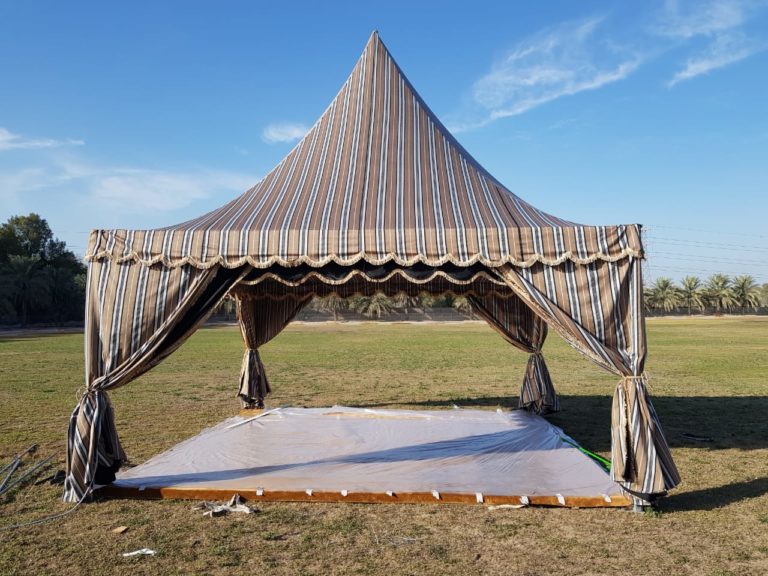
Labour Resting Tents: Easy Care Guide for Long-Term Use
View MoreNode Workers’ Resting Tents protect workers and provide the conditions they need while working during hot days in the UAE. They also help protect workers’ health and comply with midday break regulations. However, tents are not a one-time investment. Various factors contribute to their rapid wear-out. Without proper maintenance, the tent may last only about 2 years; with careful maintenance, it can last more than 5 years. This article will explain how to maintain your tents. Follow the instructions, because they are simple and can be performed by any site supervisor.
Why Labour Resting Tents Need Regular Care
The main thing about the climate in the UAE is that summer temperatures exceed 45°C, and fabrics suffer greatly. High temperatures, along with ultraviolet light and dust, cause damage. The coastal air also contains salt water. The following problems appear if one does not take care of the tent:
- Faded and cracked fabric
- Open seams
- Rusted frame
- Less shade and heat inside.
And a weak tent is dangerous and unsafe. A strong gust can lift it or bend the poles. Care is cheaper than replacement. It also keeps your workers safe.
Know Your Tent Before You Maintain It
Not all labour rest shelters are the same. Check what yours is made of first. Care steps depend on the material.
Fabric types
- PVC-coated polyester: Strong and waterproof. Common in worker rest shelters.
- Canvas: Breathable but heavy. It needs more drying time.
- HDPE shade cloth: Light and good for airflow. It tears more easily.
Frame types
- Galvanized steel: Strong and resists rust if the coating stays intact.
- Aluminum: Light and rust-free. It can bend under stress.
- Powder-coated steel: Looks neat. Scratches can start rust.
Ask your supplier for the care guide. Keep it on site. Your team should know the basics.
How to Clean Labour Resting Tents
Dust and dirt trap heat. They also damage fabric over time. Clean your tents every two to four weeks in summer. Do it monthly in cooler months.
Simple cleaning steps
- Brush off loose sand with a soft broom.
- Mix mild soap with clean water.
- Wipe the fabric with a soft sponge.
- Rinse with low-pressure water.
- Let the tent dry fully in open air.
What to avoid
- Do not use strong chemicals or bleach. They weaken the fabric.
- Do not use high-pressure washers. They harm seams and coatings.
- Do not scrub hard. It removes the protective layer.
Clean the inside too. Wipe benches, floors, and water stations. A clean tent feels better. Workers use it more.
Protect the Frame from Rust and Damage
The frame holds everything together. Look at it often.
Rust control
- Check joints, bolts, and the base of each pole.
- Scrape off light rust with a wire brush.
- Apply anti-rust paint or primer.
- Add a fresh coat of paint on exposed spots.
Bolts and joints
Loose bolts cause wobble. Wobble causes damage. Tighten all bolts once a month. Replace any bolt that looks worn.
Ground contact
Water at the base speeds up rust. Place the tent on a flat, raised area. Use concrete blocks or a gravel bed. This keeps water away from the poles.
Fix Small Repairs Early
Tiny damage grows fast in strong sun and wind. Fix it early.
- Small tears: Use a repair patch made for your fabric type.
- Open seams: Re-stitch or use seam tape.
- Worn ropes: Replace them. Do not wait for them to snap.
- Broken zippers or flaps: Swap them out at once.
Keep a small repair kit on site. Include patches, tape, rope, spare bolts, and a needle with strong thread. This saves time and money.
Prepare for UAE Weather Challenges
Weather in the UAE changes the way you care for a tent. Plan for each season.
Summer heat
Heat is the biggest enemy. Add reflective roof covers to lower inside temperature. Make sure vents stay open. Good airflow cuts heat inside the tent by a noticeable margin.
Sandstorms
Fasten all sides before a storm. Add extra pegs or weights. After the storm, clean off sand at once. Sand left on fabric acts like sandpaper.
Humidity and rare rain
Winter rain is short but heavy at times. Water pools on flat roofs. Use a sloped roof or push water off by hand. Dry the tent fully before folding it. Damp fabric grows mold fast.
Keep Workers Comfortable to Protect Your Tents
Here is a useful insight. Tents last longer when people use them well. A crowded tent sees more wear. Tired workers drag chairs and bump poles.
Follow these tips:
- Give each tent enough space for the crew size.
- Set a clear rule: no cooking or smoking inside.
- Provide cool water and fans or coolers.
- Place tents near work zones so workers use them often.
A comfortable tent also helps your site meet the UAE midday break rules, which run in the summer months. Check the latest rules from the Ministry of Human Resources and Emiratisation. Dates and hours can change.
Store Tents the Right Way
Some sites move tents between projects. Poor storage ruins good tents.
- Clean and dry the tent first.
- Fold the fabric loosely. Do not crush it.
- Label each part and bundle poles together.
- Store everything in a cool, dry room.
- Keep it off the floor on a pallet.
Never store a wet tent. Never leave it in a hot container. Heat and moisture damage the coating very fast.
Build a Simple Maintenance Schedule
A schedule keeps care on track. Here is an easy one.
| Task | How Often |
| Visual check | Daily |
| Rope and peg check | Weekly |
| Fabric cleaning | Every 2 to 4 weeks |
| Bolt tightening | Monthly |
| Rust inspection | Monthly |
| Full inspection | Every 3 months |
| Fabric or part replacement | As needed |
Keep a simple log. Note the date, the task, and the person who did it. A log helps you spot patterns. It also helps when you talk to your supplier.
When to Repair and When to Replace
Not every tent is worth saving. Use these signs to decide.
Repair if:
- Damage is small and local.
- The frame is straight and strong.
- The fabric still blocks sun well.
Replace if:
- The fabric is thin, faded, or cracked in many places.
- The frame has deep rust or bends.
- Repair costs reach half the price of a new tent.
Replacing the fabric alone often costs less than a full new tent. Ask your supplier about spare parts and roof covers.
Choose Quality From the Start
Care works best when the tent is good to begin with. When you buy labour-resting tents, check these points:
- UV-resistant, fire-retardant fabric
- Galvanized or powder-coated frame
- Strong stitching and welded joints
- Good ventilation and wind rating
- A clear warranty and local support in the UAE
A cheap tent may cost less today. But it often costs more over time. Treat the purchase as a long-term investment. Labour Resting Tents protect your workers and your project. Good care keeps them strong for years. Check them daily. Clean them often. Fix problems early. Store them well. These habits take little time. They save money and keep your team safe in the UAE heat. A well-kept tent also shows your workers that you care about them.
Frequently Asked Questions
1. How long do Labour Resting Tents last?
With proper care, they last four to six years. Without care, they may last only one or two.
2. How often should I clean them?
Clean every two to four weeks in summer. Monthly cleaning works in cooler months.
3. Can I use a pressure washer?
No. High pressure harms seams and coatings. Use a soft brush and mild soap.
4. What is the best way to stop rust?
Keep the frame dry. Remove light rust early. Apply anti-rust paint to exposed spots.
5. Should I fold a tent when it is wet?
No. Dry it fully first. Wet fabric can grow mold and lose strength.
Ideas, Projects & Engineering Insights
 16 Nov 2026
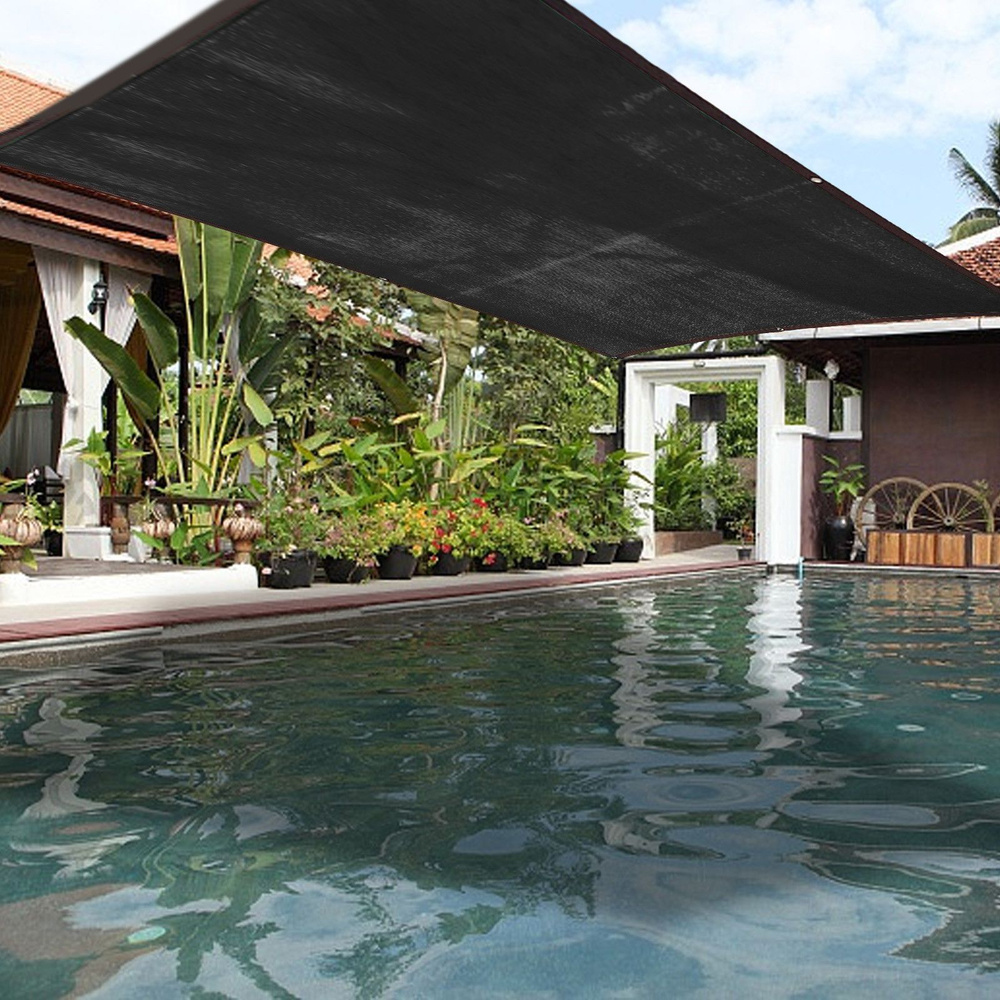
Swimming Pool Sunshades Suppliers in UAE | Quality
Swimming pools are used in many regions and can be found almost everywhere, whether you have a home, a hotel, or a commercial building in the United Arab Emirates. People like swimming pools because they allow them to enjoy leisure activities in a pleasant atmosphere and do other outdoor activities such as workouts. But the […]
 04 Nov 2026
Labor Resting Tents: Common Uses on UAE Work Sites
If you work outdoors in the UAE, you know how hard the sun can be. Summer heat often goes above 45°C. Humidity makes it feel even hotter. Workers need a safe place to rest, cool down, and drink water. That is where labor resting tents come in. These simple shelters give workers shade and comfort […]
 31 Oct 2026
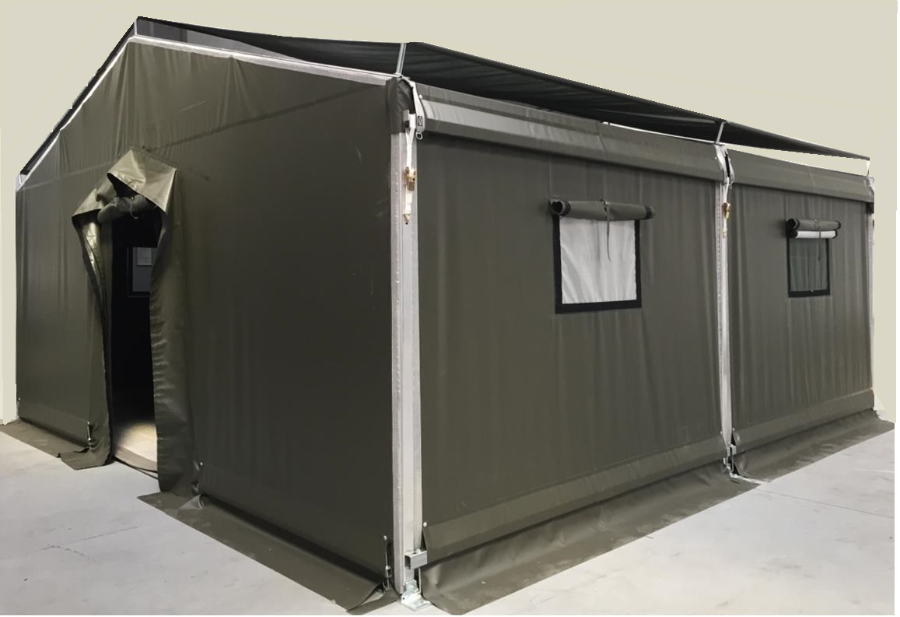
How to Choose the Right Aluminium and Steel Tent in UAE
UAE summer heat can exceed 45°C. Sandstorms can hit with little warning. Strong winds can blow across open land in minutes. A weak tent will not last long in these conditions. That is why choosing the right aluminium and steel tent in UAE matters. Whether you need a tent for a wedding, a warehouse, or […]
Leave A Reply
Your email address will not be published. Required fields are marked *