
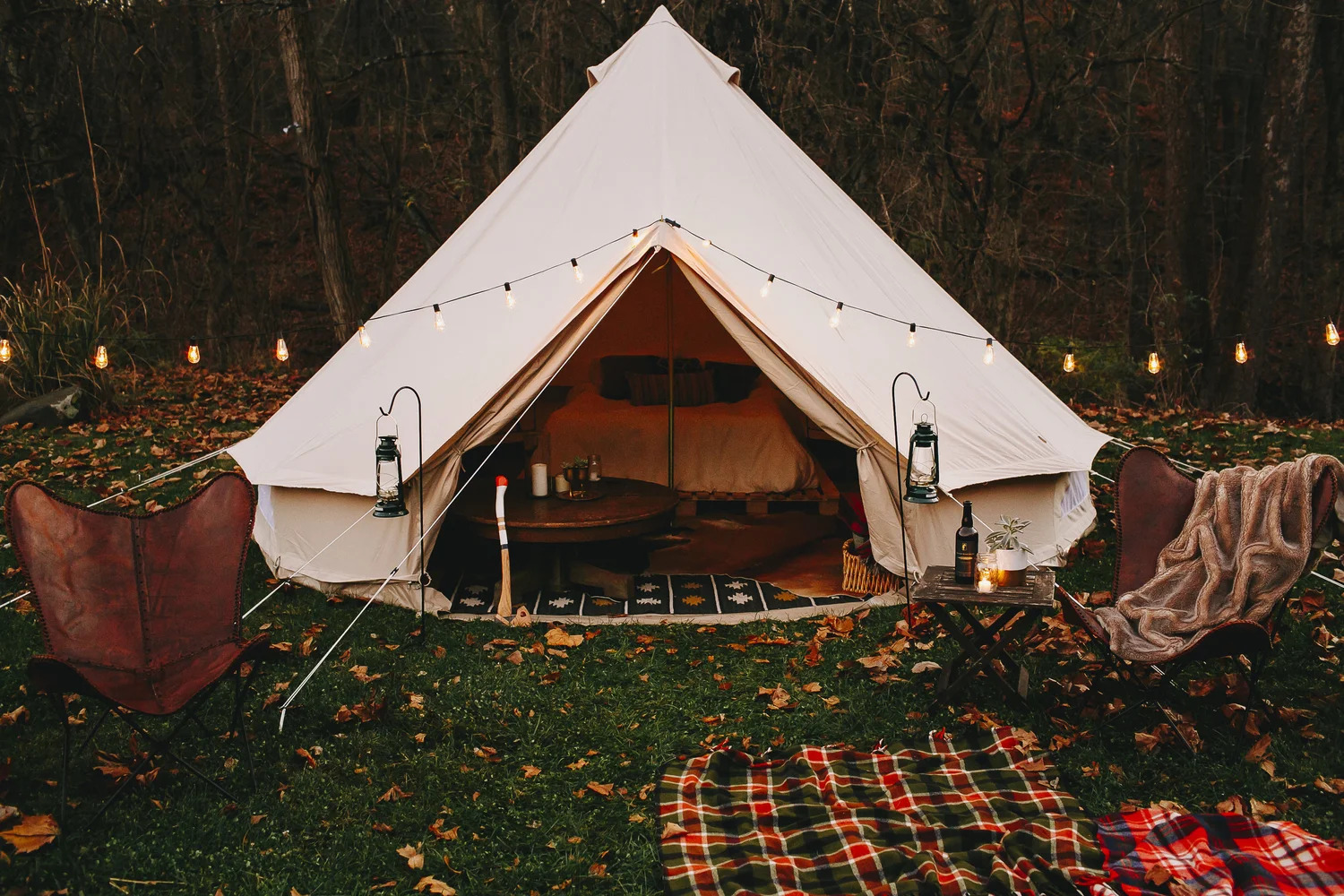
Labor Resting Tents: Common Uses on UAE Work Sites
View MoreIf you work outdoors in the UAE, you know how hard the sun can be. Summer heat often goes above 45°C. Humidity makes it feel even hotter. Workers need a safe place to rest, cool down, and drink water.
That is where labor resting tents come in. These simple shelters give workers shade and comfort during long shifts. Site managers, contractors, and project owners use them every day across the country.
This guide covers where these tents are used, why they matter, and what you should look for before you buy one.
What Are Labor Resting Tents?
Labor Resting Tents are temporary shelters built for outdoor workers. They give people a shaded place to rest during breaks. You can set them up fast and move them when the work area changes.
Most tents use a strong metal frame and a tough fabric cover. Many come with side walls, fans, or space for air coolers. Some are small pop-up tents. Others are large structures that fit 50 or more workers.
Think of them as a break room for sites that have no building yet.
Why These Tents Matter in UAE Weather
The UAE has one of the hottest climates in the world. Working under direct sun for hours can lead to heat stress, dizziness, and heat stroke.
A good rest tent can lower the felt temperature by several degrees. It blocks harmful UV rays. It also gives the body time to recover before going back to work.
Here is a key point many people miss. Shade alone is not enough. Airflow matters just as much. A closed tent with no ventilation can trap heat and become worse than the open air. That is why tent design is so important.
Common Uses on Construction Sites
Construction sites are the biggest users of labor resting tents in the UAE. Building projects run all year, even in peak summer.
Midday Break Shelter
The UAE has a midday break rule every summer. From June 15 to September 15, outdoor work stops between 12:30 pm and 3:00 pm. Employers must give workers a shaded place to rest during this time.
Rest tents are the most common way sites meet this need. Workers can sit, drink cold water, and stay out of the sun.
Cool Down Spots Between Tasks
Not every break happens at noon. Workers often need short rest stops during the morning or evening. A tent close to the work zone saves time. Workers do not have to walk far to find shade.
Meal and Prayer Area
Many sites use the tent as a place to eat lunch. Some also set aside a clean corner for prayer. This small step shows respect and improves worker morale.
Safety Briefings
Supervisors often hold short morning safety talks inside the tent. It keeps the team cool and focused while they listen.
Uses in Industrial Areas and Factories
Industrial zones like those in Jebel Ali, Mussafah, and Sharjah have many outdoor tasks. Workers load materials, fix machines, and handle storage outside.
Rest tents in these areas work as:
- Break area tents near loading zones
- Hydration points with water coolers and electrolyte drinks
- First aid corners where a tired worker can lie down
If your factory has limited indoor space, a tent is a quick and low-cost fix.
Oil and Gas Support Zones
Oil and gas sites are often far from cities. Workers may be in the desert for long hours with no buildings nearby.
Here, tents serve as:
- Rest stops along pipeline routes
- Shaded zones near rigs and support yards
- Cooling stations for maintenance teams
These sites need tents with strong wind resistance and sand protection. Fire-resistant fabric is also a smart choice in these zones, as safety rules are strict.
Road and Infrastructure Projects
Road crews move every few days. A fixed building makes no sense for them. That is why mobile site tents work so well.
A road team can pack the tent in a truck and set it up at the next spot in under an hour. Bridge, tunnel, and metro projects also use them along long work stretches.
The insight here is simple. On moving projects, the best tent is the one that is easy to carry. Lightweight frames often matter more than size.
Logistics Yards and Warehouses
Ports, freight yards, and big warehouses have staff working outside around the clock. Forklift drivers, loaders, and security teams all need break spots.
Rest tents in these yards give workers a place to cool off between shifts. They also help reduce crowding inside the main building.
Temporary Work Zones and Events
Short-term jobs also use these tents. Some examples:
- Event setup crews before big shows and expos
- Landscaping and farm teams
- Utility repair teams fixing power or water lines
- Cleaning crews in open public areas
For short jobs, renting a tent may be cheaper than buying one.
How Rest Tents Boost Productivity
Some managers see tents as an extra cost. In reality, they often save money.
Tired, overheated workers make more mistakes. They work slower. They are more likely to get hurt. A short rest in the shade helps them come back fresh and alert.
Consider these points:
- Fewer sick days. Less heat stress means fewer workers missing shifts.
- Fewer accidents. Alert workers follow safety steps better.
- Better morale. Workers feel cared for, which builds loyalty.
- Less time lost. A nearby tent means shorter walks during breaks.
Moreover, good workforce welfare helps companies attract and keep skilled staff. That is a real advantage in a busy market like the UAE.
Helping You Stay Compliant
The Ministry of Human Resources and Emiratisation (MOHRE) checks sites during summer. Companies that break the midday break rule can face fines of AED 5,000 per worker, up to AED 50,000 in total.
A proper rest tent shows that your site takes outdoor work safety seriously. It is one of the easiest ways to meet heat protection rules.
What to Look For When Buying Labor Resting Tents
Not all tents are the same. Here is what you should check before you buy.
Strong, UV-Resistant Fabric
Choose PVC or polyester fabric with UV protection. It blocks harmful rays and lasts longer under the strong sun.
Good Airflow
Look for mesh windows, roll-up sides, or roof vents. These let hot air escape so the tent stays cooler inside.
Sturdy Frame
Steel or aluminum frames hold up best. Aluminum is lighter, so it suits teams that move often.
Wind and Sand Resistance
UAE sandstorms can be strong. Pick a tent with ground anchors, weights, or stakes. This keeps it stable in bad weather.
Right Size
As a rough guide, plan around 1.5 square meters per worker who will rest at the same time. A crew of 30 needs about 45 square meters of shaded space.
Easy Setup
A tent that two people can set up quickly saves labor time. This matters most on road and moving projects.
Space for Cooling Gear
Check if the tent can hold air coolers, fans, or even AC units. Some tents also come with a power point setup.
Flooring Options
A raised floor or mat keeps workers off hot sand. It also keeps the area cleaner. If you want a tent that lasts many seasons, focus on fabric quality and frame strength first.
Frequently Asked Questions
1. Are Labor Resting Tents required by law in the UAE?
Employers must give workers shaded rest areas during the summer midday break. Tents are one of the most common ways to meet this rule.
2. How many workers can fit in one tent?
It depends on the size. Small tents fit 5 to 10 workers. Large tents can hold 50 or more.
3. Can I add air conditioning to a rest tent?
Yes. Many tents allow air coolers, fans, or AC units. Check the design and power setup before you buy.
4. Is it better to rent or buy a rest tent?
Renting suits short projects. Buying gives better value for long or repeat projects.
5. How long does a good rest tent last?
A quality tent with UV-resistant fabric and a strong frame can last several years with proper care.
Ideas, Projects & Engineering Insights
 16 Nov 2026
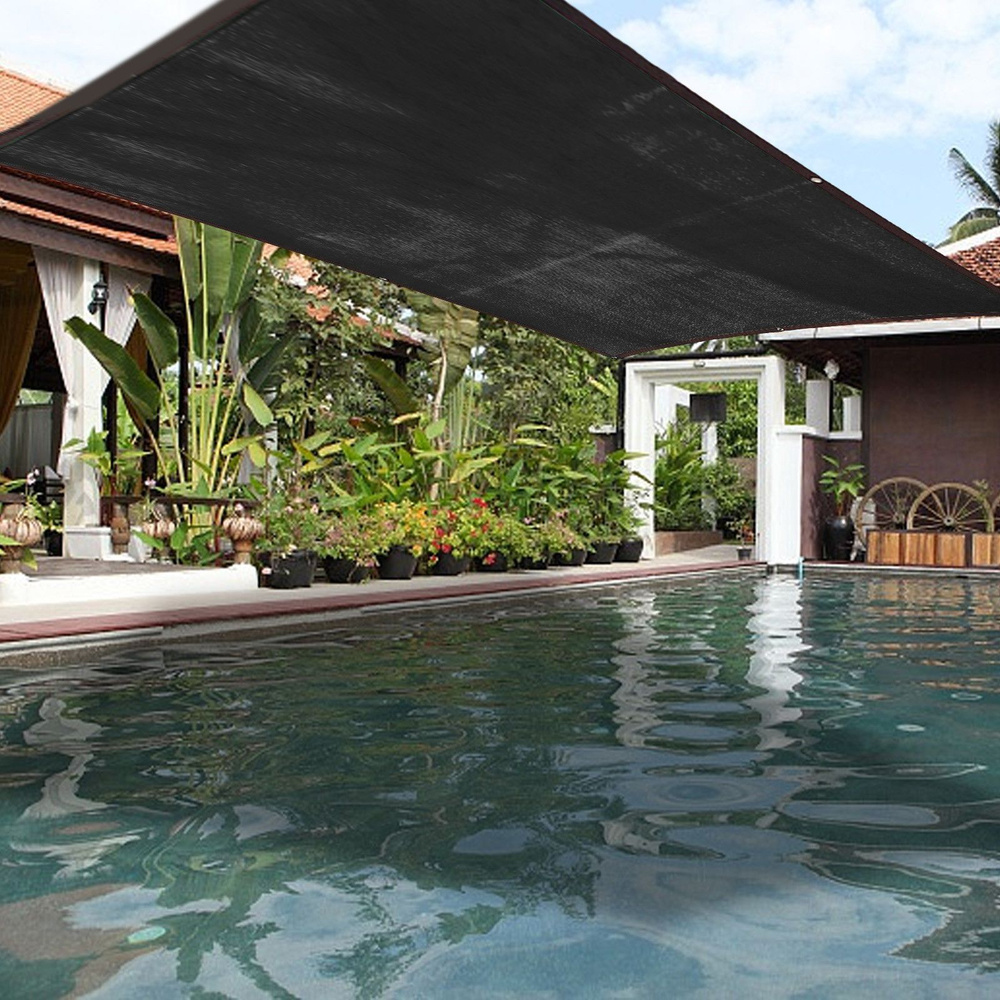
Swimming Pool Sunshades Suppliers in UAE | Quality
Swimming pools are used in many regions and can be found almost everywhere, whether you have a home, a hotel, or a commercial building in the United Arab Emirates. People like swimming pools because they allow them to enjoy leisure activities in a pleasant atmosphere and do other outdoor activities such as workouts. But the […]
 12 Nov 2026
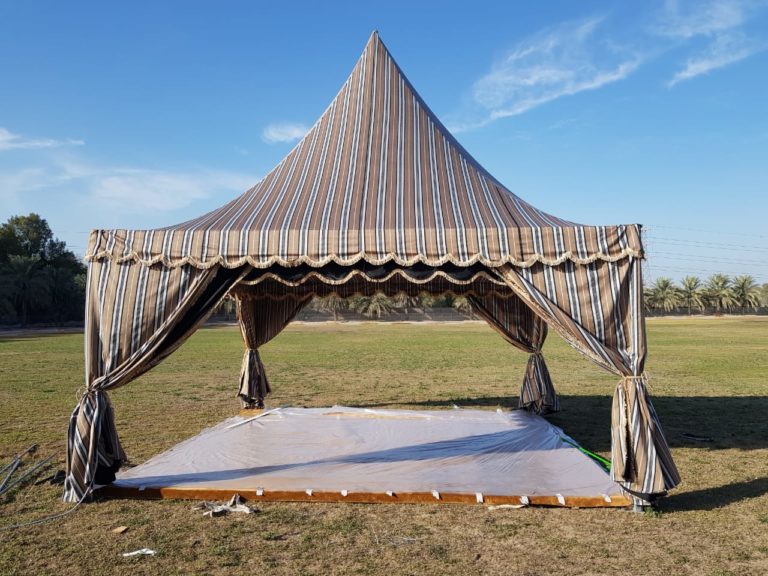
Labour Resting Tents: Easy Care Guide for Long-Term Use
Node Workers’ Resting Tents protect workers and provide the conditions they need while working during hot days in the UAE. They also help protect workers’ health and comply with midday break regulations. However, tents are not a one-time investment. Various factors contribute to their rapid wear-out. Without proper maintenance, the tent may last only about […]
 31 Oct 2026
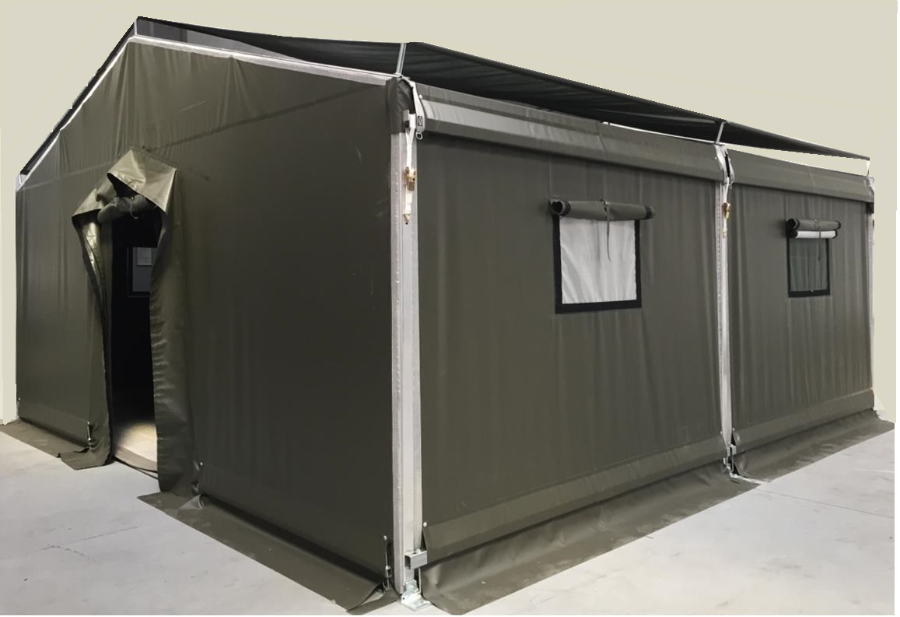
How to Choose the Right Aluminium and Steel Tent in UAE
UAE summer heat can exceed 45°C. Sandstorms can hit with little warning. Strong winds can blow across open land in minutes. A weak tent will not last long in these conditions. That is why choosing the right aluminium and steel tent in UAE matters. Whether you need a tent for a wedding, a warehouse, or […]
Leave A Reply
Your email address will not be published. Required fields are marked *