
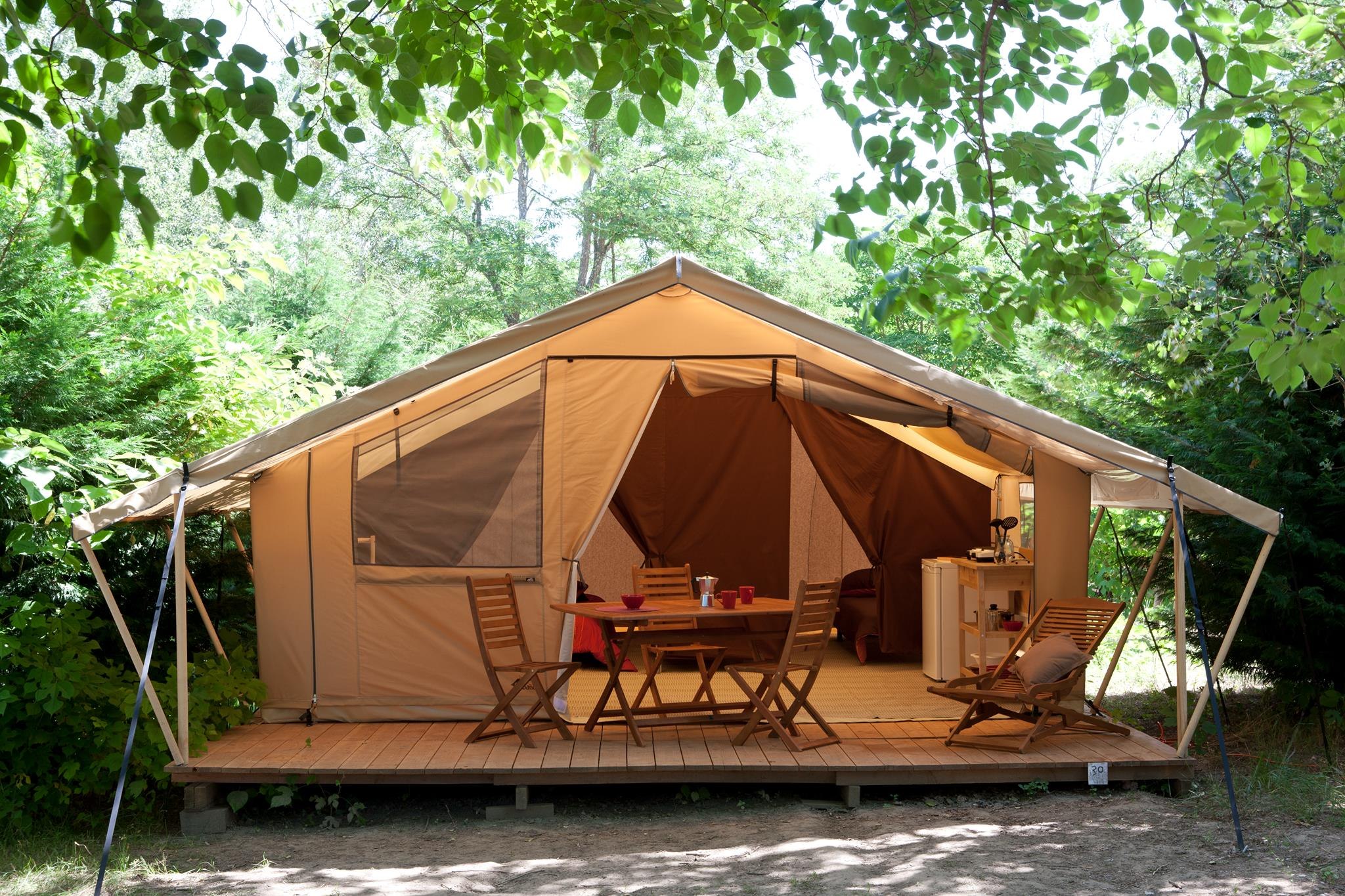
Labour Resting Tents UAE: What Every Business Must Know
View MoreUAE summers are hard on outdoor workers. The sun hits 45 degrees or more, and the heat does not wait for a deadline. Your workers need a cool, safe place to rest. If you don’t have one, people get sick, work slows down, and you face fines. Labour Resting Tents solve this problem. But not every tent works the same. A cheap tent that traps heat can be worse than no tent at all. This guide shows you what to look for, what to avoid, and how to choose well.
Why Labour Resting Tents Matter in the UAE
The Heat Is a Real Safety Risk
Working outdoors in the UAE between May and October is very risky. The combination of high heat and humidity means workers are at risk of heat stress, heat exhaustion, and even heat stroke. All of these can be fatal. Erecting a tent on site lowers the body temperature of the workers. The core of any tent should provide adequate shade, airflow, and an interior that is cooler than the outside air.
Law Requires You to Protect Workers
Every year the UAE puts in place midday break rules to protect outdoor workers from the harsh conditions. This usually happens from June 15th to September 15th, from 12:30 pm to 3:00 pm. During this time, employers are not supposed to allow their workers to do any outdoor activities in the sun. Employers are supposed to provide their workers with a shaded area, water, and a basic cooling facility.
It Saves You Money
This is the part many businesses miss. Heat stress does not just hurt workers. It hurts output. Tired, overheated workers make more mistakes. They work slower. Some go on sick leave. One heat stroke case can stop a site for a day and trigger an inspection. A well-planned tent costs far less than that.
Key Features to Look For
Not all features carry the same weight. Here they are, ranked by how much they matter.
1. Ventilation
Ventilation comes first. A closed tent in UAE heat turns into an oven. Look for:
- Roll-up side walls
- Mesh windows
- Roof vents to let hot air escape
- Enough height so heat rises above people’s heads
A tall tent with good airflow often beats a short one with a weak AC unit.
2. Cooling
Shade alone is not enough in peak summer. Your options, from most effective to least:
- Option 1: Air conditioning. Best cooling. Needs power and has higher running costs. Ideal for large crews and long projects.
- Option 2: Evaporative air coolers. Cheaper to run. They work well in dry heat but lose power when humidity is high, which is common near the coast.
- Option 3: Industrial fans and misting fans. Lowest cost. Fine for short breaks and small teams, but weak during the hottest weeks.
If your site is in Dubai or Abu Dhabi near the coast, humidity is high. Don’t rely on coolers alone there.
3. Material Quality
The tent fabric decides how long it lasts and how hot it gets inside. Look for:
- PVC-coated fabric: Strong, waterproof, and easy to clean
- UV-resistant covers: They block harmful rays and stop the fabric from breaking down
- Fire-retardant material: A must for site safety
- Reflective or light-colored roofs: White and silver reflect heat. Dark colors absorb it.
4. Frame Strength
Aluminum frames are light and do not rust. Steel frames are stronger but heavier. Both work. The key is wind resistance. Sandstorms and strong winds are common in the UAE, so ask the supplier how much wind the tent can handle.
5. Comfort Basics
Workers need more than a roof. Add:
- Seating or benches
- Cold drinking water stations
- Flooring or mats to block ground heat
- Lighting for early morning or evening shifts
- A first aid kit
SAFETY CONSIDERATIONS
When using a large number of people in a single tent, a few safety tips should be addressed.
Fire Safety: Use of fire-retardant fabric should be implemented. Fire extinguishers should be placed inside and outside of the tent.
Electrical Safety: The wiring used for AC units and fans should be certified wiring.
Clear Exits: Each tent should have at least 2 clear exits.
Anchoring: A tent should be secured to the ground using stakes, weights, or bolts. High winds can cause a tent to turn into a projectile.
Space Per Worker: Do not crowd tents. This can cause the spread of illness, as well as creating heat stress.
Legal and Operational Considerations
Permits and Approvals
Different emirates have different requirements for constructing a temporary structure. The rules also vary between different government agencies. Large tents may also require approval for fire safety. Contact the government agency for more information regarding the construction of large tents.
Compliance Records
It may be required to keep a simple record of the inspection history of the cooling units or when a particular tent was installed. These records may be required to be produced to the authorities at the time of an inspection.
Placement on Site
Tents should be placed near the work areas and away from heavy machinery and dusty areas. A tent placed next to a cement mixer is not a rest area for workers.
Setup Tips That Actually Work
- Level the ground first. Uneven ground weakens the frame.
- Face the openings toward the wind. This boosts natural airflow.
- Raise the floor if you can. It keeps out sand and heat from the ground.
- Install cooling before summer. Waiting until June means long supplier queues.
- Test everything on day one. Check power, water, and cooling before workers move in.
Maintenance: Keep It Working All Season
A tent left alone breaks down fast in UAE conditions. Build a simple routine:
Daily: Clean floor, replace water, check AC/fans
Weekly: Inspect ropes, pegs, and joints
Monthly: Inspect cooler pads and AC filters, and check for fabric tears.
After sand storms: Immediate inspection
Dust quickly clogs cooler filters and AC filters. A blocked filter results in warm air and wasted power.
Labour Resting Tents are legally required for the protection of your employees against genuine occupational hazards. They allow your project to remain on schedule. First, try to provide adequate cooling and ventilation measures. Choose strong, fire-retardant, and UV-stable materials.
Frequently Asked Questions
At what time is the midday break in the UAE?
The midday break is usually from June 15th to September 15th, from 12:30 pm to 3:00 pm. Check MOHRE each year to confirm.
Should I purchase or rent a resting tent?
Rent if the project duration is short. Purchase if there are multiple project sites and/or the project duration is long (over one year).
Which cooling method is the best?
A/C works the best. Evaporative coolers are good for more inland and dry areas.
How frequently should I maintain the tent?
Clean the tent daily. Inspect it weekly and do a service call on the cooling units monthly. Check everything after a sandstorm.
Ideas, Projects & Engineering Insights
 06 Oct 2026
Rental Ramadan Tents in UAE: Sizes, Cost, and Setup Tips
Every year, the same thing happens. Families and companies wait until the last two weeks before Ramadan, call five suppliers, and learn the good tents are already booked. Then they settle for whatever is left. You can avoid that. Rental Ramadan Tents are now a normal part of life in the UAE. Villas, hotels, offices […]
 03 Jun 2026
Tent Manufacturer in UAE: How to Pick the Right One
Walk into any outdoor event in Dubai, Abu Dhabi, or Sharjah. Chances are, a large tent is holding everything together. It shields guests from the blazing sun, keeps the space cool and comfortable, and gives the venue its shape and character. But here is something most people overlook. Not every tent is built the same. […]
 22 May 2026
Why the UAE Chooses Canvas Fabric Suppliers in Dubai
When a business in the UAE needs strong and reliable fabric, quality matters from day one. Heat, dust, sun, wind, and daily use can damage weak materials very fast. That is why many companies now choose professional canvas fabric suppliers in Dubai instead of buying from random traders or low-cost sellers. A professional supplier does […]
Leave A Reply
Your email address will not be published. Required fields are marked *