
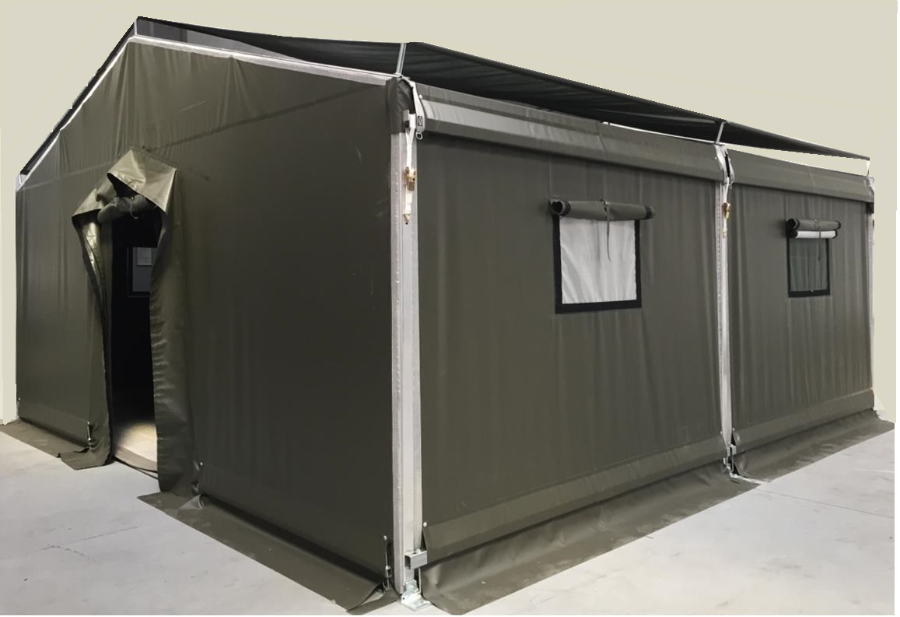
How to Choose the Right Aluminium and Steel Tent in UAE
View MoreUAE summer heat can exceed 45°C. Sandstorms can hit with little warning. Strong winds can blow across open land in minutes. A weak tent will not last long in these conditions. That is why choosing the right aluminium and steel tent in UAE matters. Whether you need a tent for a wedding, a warehouse, or a car shade, the frame and fabric decide how safe and useful it will be. A smart choice saves you money for years. A poor choice costs you repairs, delays, and even safety risks.
Aluminium vs Steel: Which Frame Is Better?
Both metals work well, but each one fits a different need. The right pick depends on how you plan to use your tent.
Aluminium Tent Frames
Aluminium is light and strong. It does not rust, which is a big plus near the coast in Dubai, Abu Dhabi, or Sharjah. Teams can set it up and take it down fast.
Aluminium frames are best for:
- Event tents for weddings, exhibitions, and festivals
- Short-term or seasonal use
- Locations where you need to move the tent often
- Coastal areas with salty, humid air
Steel Tent Frames
Steel is heavier and very tough. They can carry more weight and handle more wind pressure. Most steel frames are galvanised, meaning they have a zinc coating to resist rust.
Steel frames are best for:
- Warehouse tents and storage tents
- Long-term or permanent structures
- Industrial sites and construction yards
- Large spans that need extra frame strength
Quick Comparison Table
| Feature | Aluminium | Steel |
| Weight | Light | Heavy |
| Corrosion resistance | Excellent | Good (if galvanised) |
| Setup speed | Fast | Slower |
| Load capacity | Medium to high | Very high |
| Best use | Events, mobile use | Warehouses, long-term use |
| Upfront cost | Higher | Lower to medium |
How UAE Weather Affects Your Tent Choice
The climate here is harsh. Your tent must handle heat, wind, sand, and sometimes heavy rain. Let’s look at each one.
Extreme Heat and UV Protection
The sun in the UAE is strong almost all year. Cheap fabric fades, cracks, and tears within one or two summers. Always ask for fabric with UV protection.
Look for:
- PVC-coated polyester fabric with UV stabilisers
- Fire retardant certification
- Light colours like white or beige that reflect heat
- Thermal roof liners for extra cooling
A good tip: ask the supplier how many years the fabric is rated for under direct sun. A quality fabric should last 5 to 10 years.
Wind and Sandstorms
Shamal winds can reach high speeds. A tent not built for wind can collapse orblowy away. This is a serious safety risk.
Ask your supplier for the wind load rating. Many quality tents handle winds of 80 to 100 km/h. Also check how the tent is anchored. Ground pegs, concrete blocks, or base plates must match the ground type.
Sand is another issue. It gets into joints and zippers. Aluminium frames with smooth profiles are easier to clean. Sealed connections on steel frames also help.
Humidity and Salt Air
Coastal cities have high humidity and salty air. This speeds up rust. If your tent will stand near the coast, aluminium is the safer choice. If you pick steel, make sure it is hot-dip galvanised, not just painted.
Rare but Heavy Rain
Rain isn’t common, but when it does come, it can be heavy. A flat roof can collect water and sag. Choose a tent with a proper roof pitch so water runs off quickly.
Pick the Right Size and Purpose
Size isn’t just about floor space. It is about how people and goods move inside the tent.
Event Tents
For events, plan space for guests, tables, stage, catering, and walkways. A simple guide:
- Standing reception: about 0.8 to 1 square meter per guest
- Seated dinner: about 1.5 to 2 square meters per guest
- Add 20 to 30 pper centextra for stage, buffet, and dance floor
Warehouse and Storage Tents
For storage, think about height as much as floor area. Forklifts need clear space. High racks need tall side walls. Plan for loading doors and safe aisles.
Other Common Uses
An outdoor shelter in the UAE can serve many needs:
- Car parking shades
- Majlis and Ramadan tents
- Sports halls and training areas
- Worker rest areas on construction sites
- Temporary offices and site cabins
Check Fabric Quality and Frame Strength
Two tents may look the same in photos. But the quality inside can differ greatly.
What to Ask About Fabric
- What is the fabric weight in grams per square meter? Heavier usually means stronger.
- Is it fire retardant and certified?
- Does it have UV and mildew protection?
- Can damaged panels be replaced one by one?
What to Ask About the Frame
- What is the profile size and wall thickness?
- Is the steel galvanised or only painted?
- What grade of aluminium is used?
- Does the design have engineering calculations for wind load?
Good suppliers answer these questions with clear facts. If a seller avoids them, that is a warning sign.
Plan Installation and Safety
Even the best tent can fail if it is installed poorly. Safety must come first.
Professional Installation
Always use a trained team. They know how to level the ground, anchor the frame, and tension the fabric. Poor tension causes flapping, which quickly damages the fabric.
Permits and Approvals
Many emirates need approvals for large temporary structures. Local municipality and civil defence rules may apply, especially for public events. Ask your supplier if they can help with drawings and permits.
Safety Features to Include
- Fire extinguishers and clear exit signs
- Emergency exits on more than one side
- Proper electrical wiring by a certified team
- Good ventilation or air conditioning for hot months
Budget and Long-Term Value
Price matters, but the cheapest tent is rarely the best deal.
Buy or Rent?
- Rent if you only need the tent for a few weeks.
- Buy it if you need the tent for more than 6 months or plan to use it often throughout the year.
Most UAE businesses that own a tent save money over the long term compared to businesses that rent one each time they need it.
Hidden Costs to Watch
- Owning a tent comes with costs that aren’t immediately obvious.
- Transportation and crane costs.
- Flooring, lighting, and/or AC units
- Site preparation and permits
- Fabric replacement and repairs
We believe the initial cost of the frame and fabric can be justified within 2 to 3 years through repair savings and a better-looking tent.
Maintenance Tips to Make Your Tent Last
Keep your tent fabric clean with mild soap and water. Do not use abrasive cleaners.
- Remove sand from fittings and joints frequently.
- Inspect and tighten bolts and anchors after a storm.
- Store the fabric folded and dry in the shade.
- Treat rust spots on steel parts early.
- Caring for your tent is common sense.
Final Thoughts
The most important factors when choosing the right tent for your event are the frame, the fabric, and its intended use. Make sure your tent can withstand the UAE’s strong winds and UV rays. For coastal areas and mobile setups, choose an aluminium frame; for warehouses and other long-term setups, choose a steel frame.
Ideas, Projects & Engineering Insights
 16 Nov 2026
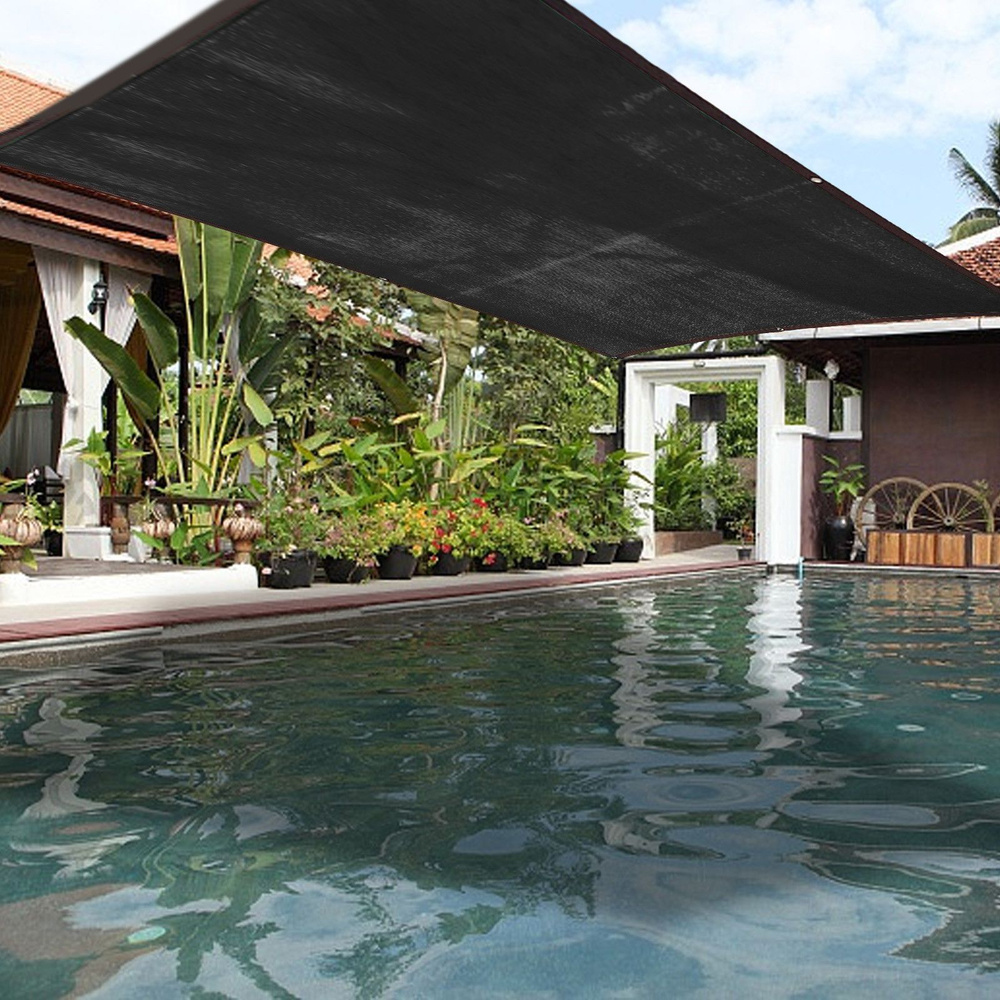
Swimming Pool Sunshades Suppliers in UAE | Quality
Swimming pools are used in many regions and can be found almost everywhere, whether you have a home, a hotel, or a commercial building in the United Arab Emirates. People like swimming pools because they allow them to enjoy leisure activities in a pleasant atmosphere and do other outdoor activities such as workouts. But the […]
 12 Nov 2026
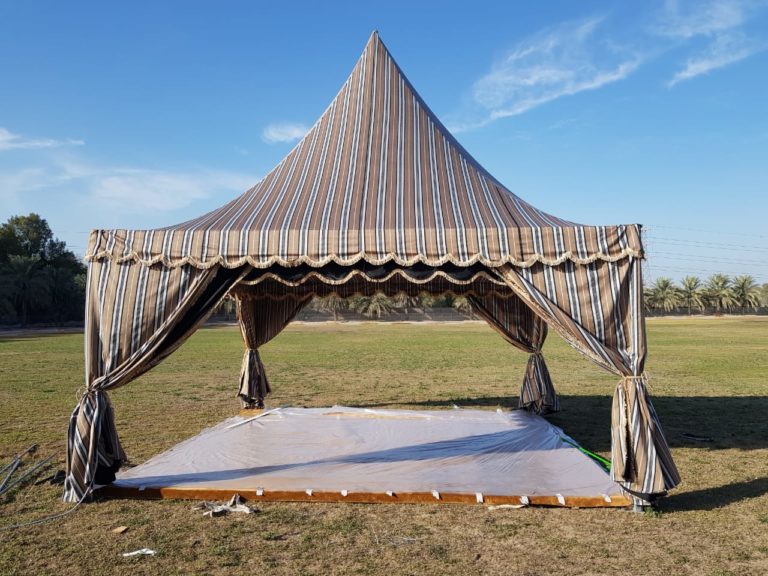
Labour Resting Tents: Easy Care Guide for Long-Term Use
Node Workers’ Resting Tents protect workers and provide the conditions they need while working during hot days in the UAE. They also help protect workers’ health and comply with midday break regulations. However, tents are not a one-time investment. Various factors contribute to their rapid wear-out. Without proper maintenance, the tent may last only about […]
 04 Nov 2026
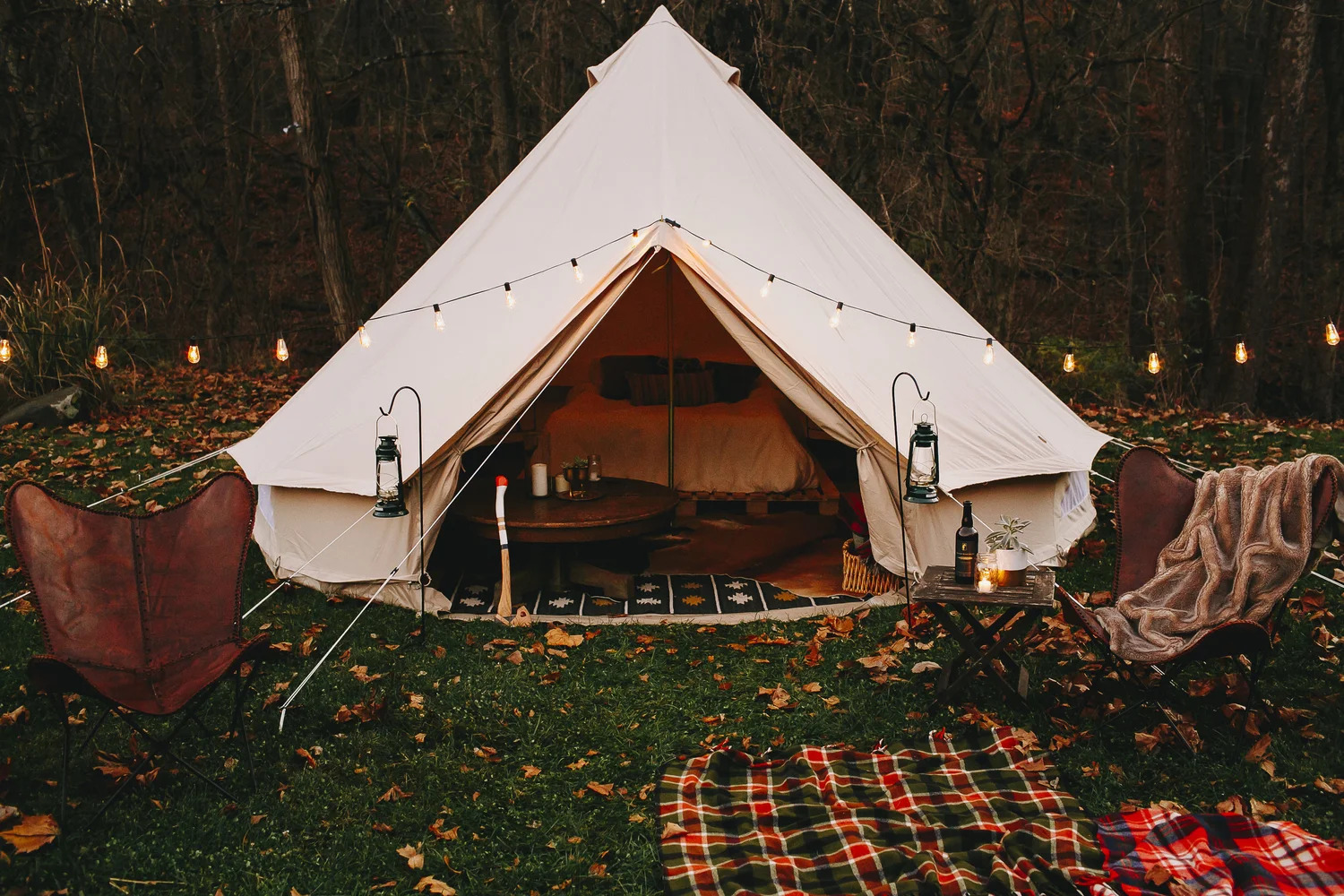
Labor Resting Tents: Common Uses on UAE Work Sites
If you work outdoors in the UAE, you know how hard the sun can be. Summer heat often goes above 45°C. Humidity makes it feel even hotter. Workers need a safe place to rest, cool down, and drink water. That is where labor resting tents come in. These simple shelters give workers shade and comfort […]
Leave A Reply
Your email address will not be published. Required fields are marked *