
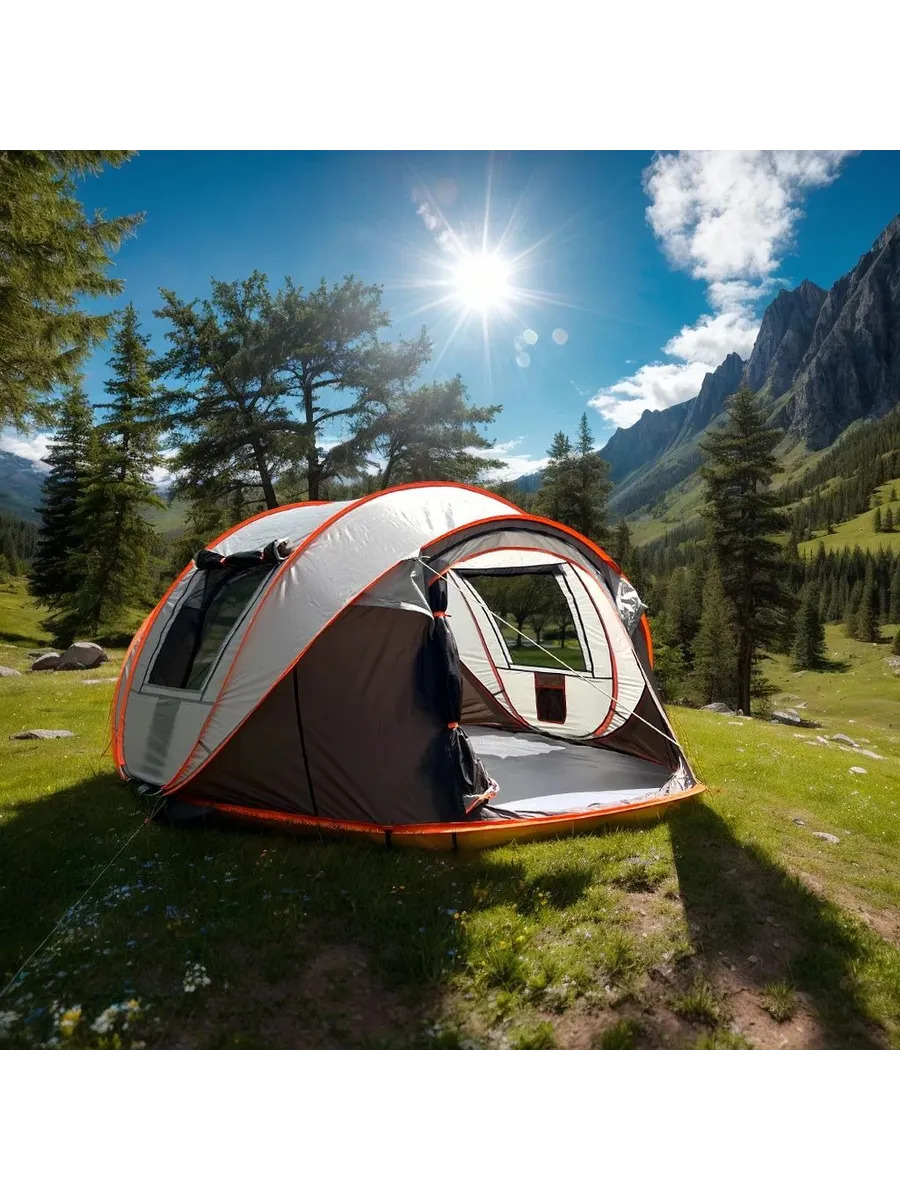
Camping Tent Maintenance: Make It Last Longer in the UAE
View MoreLet me be honest with you. A good camping tent costs real money. You do not want to buy a new one every year. But if you camp in the UAE, your tent faces some serious challenges. The sun here is brutal. The sand gets into everything. Summer heat can quietly destroy your gear while it sits in storage.
I have seen people ruin a perfectly good tent just by packing it wet or leaving it rolled up in a hot car. The good news? With a few simple habits, your tent can last five years or more. Let me show you how.
Why Tent Care Matters More in the UAE
Most tent care advice you find online is written for campers in Europe or the US. Their biggest problem is rain. Your biggest problems are very different.
In the UAE, you deal with three main threats: sun, sand, and heat. If you ignore even one, your tent will not survive many seasons.
The Sun Is Your Tent’s Biggest Enemy
Even though you can’t see UV rays, they are very potent. As your tent fabric wears out, the colors start to fade. After that, the fabric thins and eventually breaks.
Here is something people often overlook. Tents in the UAE’s direct sunlight get more UV exposure than tents in Europe over several weeks.
So, I suggest putting up your tent at the end of the day. Early risers will have less UV exposure. Don’t set up a tent well in advance of your intended camping trip just for convenience.
Sand and Dust Work Like Sandpaper
Fine sand typical of the Liwa or Al Qudra desert feels almost like powder. It can penetrate even microscopic openings. It will accumulate in your zipper, seams, and joints.
So each time you use a zipper, the sand gets crushed. Sand that accumulates in the tent can damage the floor from below.
Heat Breaks Down Coatings and Glue
Your tent has a waterproof coating on the inside of the fly and the floor. When temperatures get very high, this coating softens. It gets sticky and starts to peel away from the fabric.
The same heat also weakens the seam tape. A tent left in a parked car in July can come out completely ruined in October. This is one of the most common and most avoidable mistakes I see.
Humidity and Salt Air Bring Mold and Rust
If you camp near the coast in Dubai, Abu Dhabi, or Fujairah, salt air is a hidden problem. It corrodes metal zippers, pole tips, and tent stakes. You often do not notice the damage until things stop working.
Desert winters also bring heavy dew. Your tent can be soaking wet by sunrise even if the sky was clear all night. Pack it damp, and mold can start growing within just a few days.
How to Dry Your Tent Properly
This is the step most people rush or skip completely. It is also the most important one.
A tent packed while damp will grow mold. Mold is almost impossible to remove fully once it takes hold. It smells bad and weakens the fabric.
Always Dry in the Shade
I know the UAE sun looks like the perfect drying machine. It is fast and powerful. But drying your tent in direct sun adds more UV damage every time.
Dry your tent in the shade instead. A shaded balcony, a cool garage, or a room with a fan all work well. Yes, it takes a little longer. Your tent will thank you.
Check That Every Part Is Dry
Before you pack anything away, check these areas:
- The tent body
- The rain fly
- The floor and every seam
- The tent bag itself
- The ground sheet
Run your hand along the seams. They hold moisture far longer than the rest of the fabric.
What to Do After a Dewy Desert Night
Winter desert mornings can leave your tent completely soaked with dew. If you have to pack it wet, that is okay. Just make it your first priority when you get home. Unpack it and dry it the same day. Don’t leave it in your car or storage, even overnight.
Smart Tent Storage for the Long UAE Summer
Between April and October, most of us put our camping gear away. That is five or six months of storage. How you store your camping tent during these months greatly affects how it looks and performs next season.
Pick a Cool, Dry Storage Spot
The ideal spot is inside an air-conditioned room. A bedroom closet or under a bed works perfectly. These places keep items off the floor, away from pests, and cool.
Places you must avoid include
- Car boots
- Outdoor storage rooms
- Rooftops
- Garages with no cooling
These spots can reach extreme summer temperatures. Even a few weeks in that kind of heat can ruin your tent.
Store It Loosely
Many people get this wrong. They roll the tent as tight as possible and stuff it back into its small carry bag. This feels tidy, but it creates sharp folds that weaken the fabric over months.
Instead, fold or roll it loosely and store it in a large cotton bag or a breathable box. Keep the original stuff sack for when you actually travel. This way, your tent fabric will stay in much better condition.
Keep Poles and Stakes in Their Own Bags
Store metal poles and stakes separately from the tent fabric. Sharp pole tips can poke through the material if you store them together. Rusty metal stakes can also stain and degrade the fabric they touch.
How to Repair Small Damage Early
You can fix small problems with little effort. But if you ignore them, they can get much worse. For example, a small hole in a rainfly may turn into a bigger tear in bad weather.
Patching Holes and Tears
Many camping stores sell tent repair kits with glue patches you can apply to damaged fabric. Ensure that the surface is clean and dry before applying the patch. You can also patch the area from the inside, if possible
Resealing Leaking Seams
If the seam starts to peel, remove the peeled parts and apply seam-sealing compound along the seam line. Do not use the tent within 24 hours after applying the compound.
Fixing a Broken Pole in the Field
Most tents come with a repair sleeve. If you are lucky and have that kit, you could simply slide the sleeve and tape it. However, it is only a temporary solution, and you should order a new pole as soon as you get home.
When to Replace Parts Instead of the Whole Tent
There is no point in buying a new tent when you can fix some issues by replacing just one part.
- Tent pegs: If they are broken or rusty, replace them with new pegs. If you are going camping in the desert, make sure you get long stakes for sand.
- Tent ropes: Replace them when they become worn and stiff.
- Zippers: If the zipper won’t stay closed, just buy a new slider.
- One pole part: Replace only the broken pole.
- Tent footprint: Replace it once it shows holes or damaged areas.
If the tent fabric tears at the slightest touch or stays sticky and smelly even after cleaning, it’s time to replace the tent. In most cases, maintenance and replacing the necessary parts will solve the problem.
Final Thoughts
Caring for your Camping Tent does not take much time or money. Shake out the sand after every trip. Rinse off the salt. Dry it in the shade before packing. Store it somewhere cool and loose during the long UAE summer.
These habits take maybe twenty minutes after each camping trip. But they can add years to your tent’s life. Take care of your tent, and it will take care of you, whether you are out in the dunes of Liwa or watching the stars from a mountain campsite in Hatta.
Ideas, Projects & Engineering Insights
 12 Oct 2026
Compare Tents Suppliers in UAE: Best Quality Guide 2026
Major events are held in the UAE all year long, ranging from corporate meetings and weddings to outdoor festivals and exhibitions. They all require top-notch tents. However, tents differ greatly. Some endure for years; others disintegrate before the season is out. You can confidently compare UAE tent suppliers with the help of this guide. Moreover, […]
 07 Oct 2026
Labour Resting Tents UAE: What Every Business Must Know
UAE summers are hard on outdoor workers. The sun hits 45 degrees or more, and the heat does not wait for a deadline. Your workers need a cool, safe place to rest. If you don’t have one, people get sick, work slows down, and you face fines. Labour Resting Tents solve this problem. But not […]
 06 Oct 2026
Rental Ramadan Tents in UAE: Sizes, Cost, and Setup Tips
Every year, the same thing happens. Families and companies wait until the last two weeks before Ramadan, call five suppliers, and learn the good tents are already booked. Then they settle for whatever is left. You can avoid that. Rental Ramadan Tents are now a normal part of life in the UAE. Villas, hotels, offices […]
Leave A Reply
Your email address will not be published. Required fields are marked *