
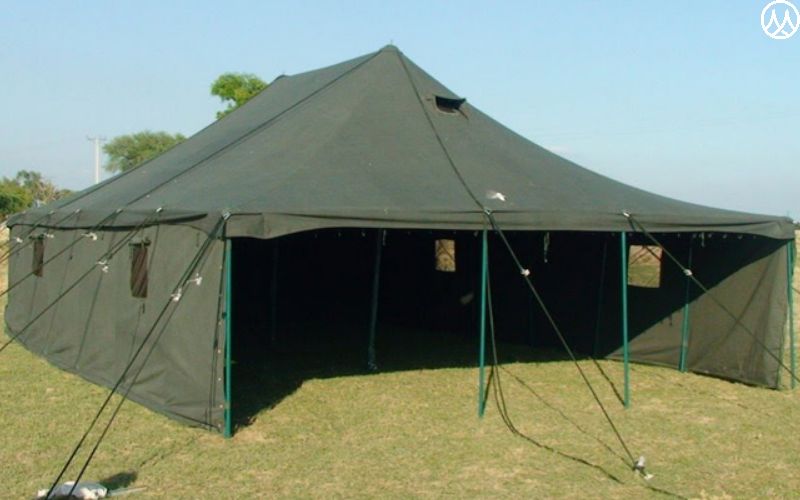
When a disaster happens the most important thing that people need after food and water is a place to stay. Whole communities can be forced to leave their homes in just a few hours with houses turned to dust and important buildings and roads destroyed. During these important times relief tents provide essential help and give safe and flexible shelter to the people in need. Modern relief tents are built for quick setup and flexibility. They are not just fabric and poles; they can be used as homes as medical clinics even as command centres and storage spaces. This article explores how these important structures are crucial in emergency response. They help people feel safe and stable during chaotic situations.
When a natural disaster occurs we need not only food but also a place to stay, a shelter to cover our heads. Within minutes, everything gets destroyed and people are forced to migrate. In such situations, there is great need for relief tents for people’s safety. These tents are made to protect people from extreme weather and to maintain their privacy.
It is not necessary that only common people need to government camps, which are set up to provide medicines or other services, but also require relief tents for doctors and different organizations.
What Are Relief Tents?
Relief tents are also called emergency or disaster tents. These tents are temporary shelters made to provide quick protection and help to people and families who have been forced to leave their homes due to emergencies. Emergency Tents offer essential shelter for people who lose their homes due to natural disasters like earthquakes and floods or conflicts.
Relief tents are made from strong weatherproof materials so they can withstand tough conditions like heavy rain or winds and extreme temperatures. They are light and easy to carry their quick setup makes them perfect for emergency use by NGOs and governments or aid groups.
The Role of Relief Tents in Disaster Response
When a disaster happens like an earthquake or flood, it is very important to quickly provide shelter and organize a response. Relief tents are very important during emergencies because they provide quick and useful solutions to help protect lives and bring back stability. These temporary buildings are not just coverings made of fabric; they are essential support for communities in need.
Quick Setup of Shelters
One of the biggest advantages of relief tents is that they can be set up quickly. Tents can be moved or set up and ready to use in just a few hours. This provides quick shelter in places where regular buildings might take weeks or even months to construct. This quick action saves lives by providing people who have been forced to leave their homes a safe place to rest and recover that protects them from the weather.
Logistics Storage and Coordination Centers
In addition to providing shelter and healthcare relief tents serve as command centers and logistics hubs for aid organizations. These tents are used to keep food water and medicine safe and they also serve as work areas for volunteers and responders. They help make sure that supplies are given out quickly and effectively. Big tents like dome-shaped ones are commonly used because they offer plenty of space inside and can be easily adjusted to fit different needs.
Dividing and Managing Population
Large tents help to organize people who have been forced to leave their homes. Relief workers can sort tents according to family groups and health needs or how serious the injuries are. This system not only keeps things organized but also makes sure that the right help gets to the right people more quickly and efficiently.
Waterproof and Surable Design
Today’s relief tents are designed to be strong and long-lasting. These buildings are made from materials that can resist water and sunlight or strong winds. They can handle tough weather and keep people safe whether it is raining or sunny. Some models also provide thermal insulation or air conditioning which makes them suitable for use in both cold and warm weather.
Features and Benefits of Modern Relief Tents
Today’s relief tents have become crucial tools for helping during disasters. These tents are made for emergencies. They are built to be quick to set up and flexible. They do more than just give temporary shelter.
Quick and Easy Setup
In emergencies every moment is important. Relief tents are designed for quick setup so a small team can have them ready in just a few hours. This efficiency makes sure that people in need get shelter right away. These tents keep them safe from bad weather while longer-lasting solutions are being set up. Quick action is crucial when dealing with an earthquake or a conflict area.
Spacious and comfortable
Today’s relief tents are carefully made to provide plenty of space and comfort. They give plenty of space for families or groups to stay. You can use the area for sleeping and keeping supplies or even creating small work areas. In disaster situations where people might stay in shelters for weeks or even months comfort is very important for their emotional and physical healing.
Lightweight and Easy to carry
These tents are made to be efficient for logistics. They are lightweight and easy to transport. No matter if they are moved by truck or boat their easy-to-carry design makes sure they can be delivered quickly to places that are affected or hard to reach. Relief teams can quickly increase their efforts by relocating tents to the areas that need them the most.
Designed for Emergency Situations
Relief tents are special because they are designed specifically for emergencies. These tents are built with strong materials and ventilation systems making them suitable for frequent use in tough conditions around the world. They are not just places to stay; they are important structures that help people survive and get back on their feet.
Real-World Use Cases
New relief tents have shown their importance during some of the worst disasters in recent years. Emergency housing mobile clinics and coordination centers play a vital role during crises. Their practical use shows just how important these shelters are when people need help the most.
Haiti Earthquake (2010)
One of the most notable examples of relief tent deployment occurred during the 2010 Haiti earthquake where over 1.5 million people were left homeless. Relief organizations mobilized rapidly and tents were set up within days. They offering essential shelter to families and medical teams. These tents helped reduce exposure to the elements and played a critical role in preventing the spread of disease and providing a sense of stability amid chaos.
Hurricane Katrina (2005)
After Hurricane Katrina caused a lot of damage relief tents played a key role in helping with the recovery efforts. They served as temporary homes for people who had to leave their houses and they also functioned as emergency medical centers. They also supply storage areas and command posts for operations. Their ability to adapt and be quickly set up made them extremely useful for local leaders and international aid workers.
Conclusion
Relief tents are not just quick places to stay. They are important tools meant to provide safety and support. During a crisis they give safe homes to families and assist aid workers in providing important services and help organize emergency responses. Tents have shown their worth by providing quick shelter and places to organize help in places like the ruined areas of Haiti and the flooded neighborhoods of New Orleans when buildings and roads are damaged. As the world deals with natural disasters and conflicts relief tents will continue to be an essential part of helping people. Contact with Almawsim Tents today for more queries as they provide quality tents and ensure safety and hope to those in need.