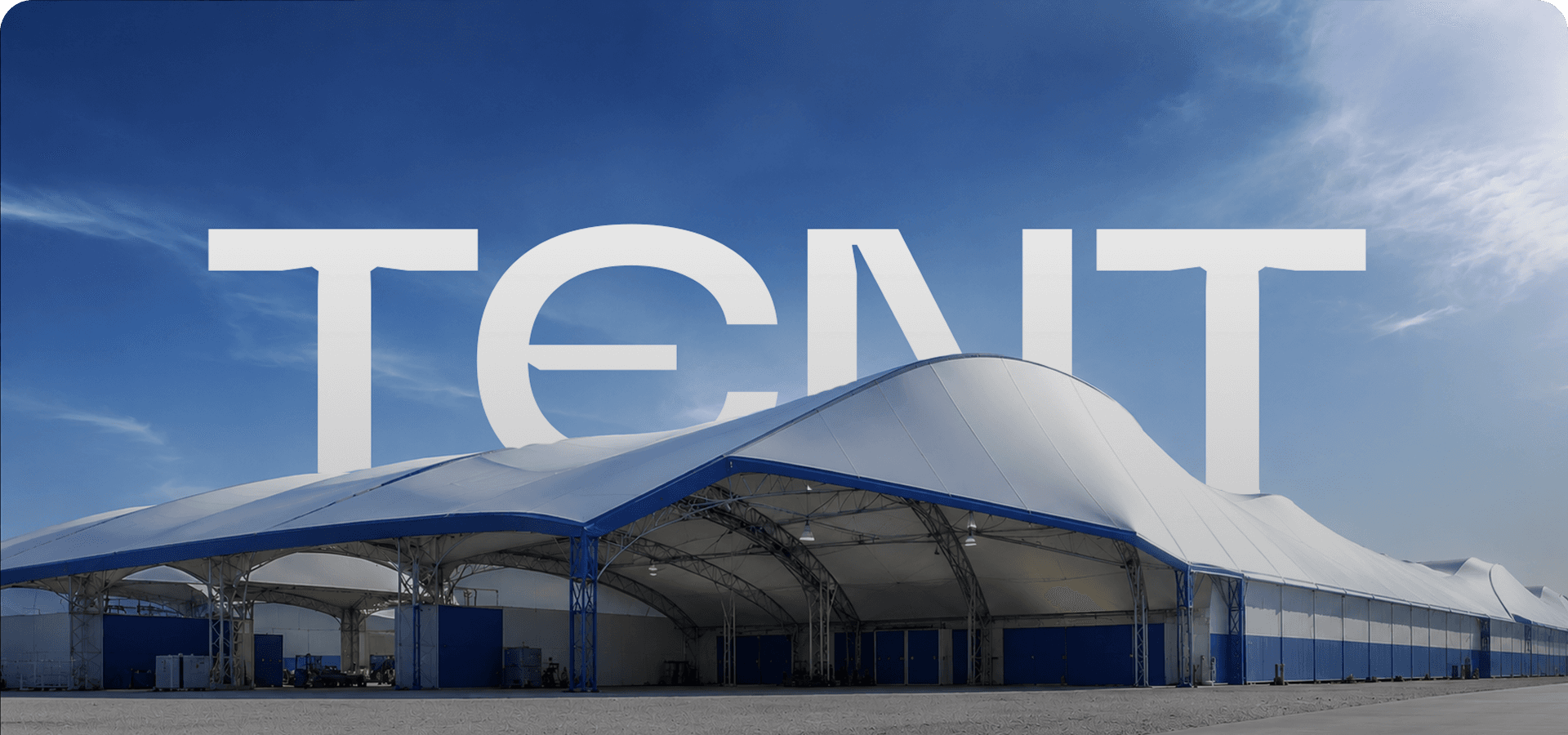
Majlis Frame Tents: Traditional VS Modern

Majlis frame tents are the tents used as an outdoor, portable venue for gatherings. The name “majlis” is an Arabic word, meaning “gathering”. This is an Arabic cultural element, and the use of these tents is also a part of this.

Over time, Majlis frame tents have evolved, now available with modern features that incorporate a touch of traditional design elements. Mainly, they differ in their material, design, functionality, and technology.

Despite the variations, each one has its own significance, usage, and versatility. Al-Mawsim Tents differentiates between them to explain their features and usage separately. Let’s start traveling through the majlis frame tents from the old heritage to the modern ages.

Majlis frame tents

Here is a brief introduction to traditional and modern majlis tents.

Traditional majlis frame tents

Arish or Bayt Al-Sha’ar, commonly known as traditional majlis tents, have an origin in the nomadic Bedouin civilization. The name and the usage signifies the important Emirati culture: hospitality.

Modern majlis frame tents

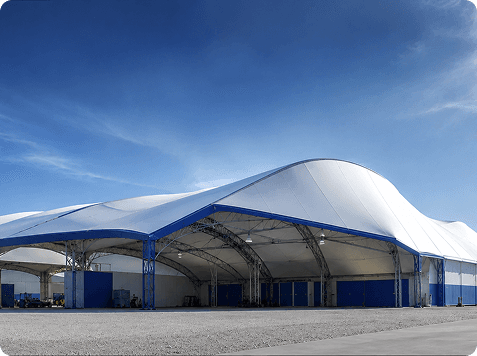
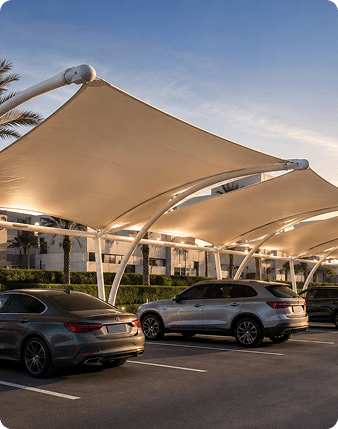
Evolved into the latest yet cultural form, modern majlis tents represent the mix of technology and tradition. Its features include innovations and modern design.

Material & Protection 

Frame and materials include the construction, fabric, interior, and comfort level of traditional and modern majlis frame tents. Here is a detail of each one.

Structure:

A traditional tent has two basic parts: the poles and the fabric. Poles are wooden, whereas the fabric is made up of woven fiber. The woven wool used in it is from goat or camel hair. The overall structure is simple and portable.

Modern tents come with durability, as they are corrosion-resistant and sturdy. Its poles are made up of galvanized steel or lightweight aluminum.

Fabric:

The fabric of traditional majlis tents is perfectly suited to the UAE weather. It is airy and serves as a ventilation in high temperatures. Its loose weave is permeable for air, letting it cross from both sides. As a result, it avoids suffocation and keeps the environment cool and refreshing.

A high-quality synthetic fabric is used in modern tents, which makes them suitable for every weather. Such as PVC-coated polyester. It acts as a resistance to sunlight, temperature, wind, and rain. Moreover, one can customize its colors according to the brand. 

Interior:

The seats of traditional tents are made up of silk or velvet-like fabrics and printed with traditional or geometric designs. Carpets are handmade, serving as floor-covering, warmth, and comfort. This is a culture-based setup. On top of this, the seating arrangements are on the ground, creating the full traditional vibes.

Modern majlis tents present a variety in seating arrangements, like sofas, chairs, and cushions. The prints on their fabric include clean lines instead of complex designs. To give life to the interior, neutral color palettes are used. The setup theme is minimal, which makes the space sophisticated.

Comfort from the environment:

Organic materials with a special design give the feeling of natural snugness and a sense of creativity. The fiber (goat or camel hair) serves as an insulator and weather barrier in these ways:

  • The dry fabric acts as a ventilator, allowing the air to pass through its loose weave
  • It is water-absorbent and can withstand the rain
  • The dark color of the fabric serves as a heat-resistant tool. It absorbs heat during the day and keeps the place cool
  • At night, it acts in a reverse manner and traps heat inside. This way, it creates a cozy corner for people

A modern majlis tent comes with heat control features. Its air conditioning system can turn a full sunny day into a cool and refreshing environment. It also creates an outside comfy area on a chilly night through its heaters.

Aesthetics, Culture, & Function

In this section, we will discuss the following details of traditional and modern majlis tents:

  • Purpose
  • Decoration
  • Blend features
  • Technology
  • Versatility

Purpose:

The traditional majlis frame tents serve for community meet-ups, announcements & court purposes, just like people used to do in the past. Preserving the culture and Emirati values, people arrange these gatherings with traditional ethics: generosity, hospitality, and respect.

Modern tents are also used for gatherings, preserving the culture. However, with advancements in lifestyles and working modes, these tents are equipped according to today’s needs to serve other purposes, too. For example, seminars, meet & greet sessions, and convocation ceremonies.

Decoration:

Traditional tents are decorated with:

  • Handmade carpets made up of woven
  • Beautiful drapes with embroidery
  • Low height tables
  • Traditional essentials like brass coffee pots

All together create a real cultural atmosphere.

The latest style decoration in modern tents is the addition of trendy, sleek elements while keeping the cultural touch intact. It includes:

  • Neutral color pallets
  • An aesthetic combination of old and modern objects and themes
  • Stylish ottomans
  • Cultural motif with modern design
  • Art and calligraphy

Blend features:

To stand with today’s weather, traditional tents have developed some modern features. Such as their outer layer, made up of hair fabric, is stitched together by a machine. Moreover, to resist wind and withstand the temperature, galvanized steel is used in frame making.

Cultural settings are also present in modern majlis tents, as they don’t come with a completely modern design. Some traditional things are as follows: cultural patterns with a combination of trendy ones, modern ottomans with a contrast of traditional sofas, and rustic wooden furniture with some polished accessories.

Technology:

Instead of modern tools and engineering, the technology of traditional majlis tents lies in centuries-old engineering, design principles, and natural materials. Some low-tech, effective features are:

  • Insulting materials
  • Water-absorbent layers
  • Natural ventilation
  • Heat absorption through colors

To keep modern majlis tents up-to-date and meet the guests’ requirements, the latest and smart features are integrated. These include:

  • Advanced stereo systems
  • Smart sensor lighting
  • Charging spots at multiple locations

Flexibility:

Modern majlis frame tents come with adaptive features, such as modular tent poles and fabric for extra compartments. For example, extra sections can be created by molding the fabric. By this, these tents can serve to generate extra space for a separate gathering and for multiple events at a time.

The strength, material, and functionality make the majlis frame tents perfect for gatherings and meet-ups. If one wants traditional events like community gatherings, announcements, or cultural shows, traditional majlis tents would be a better option due to their traditional style, Arabic vibes, and cultural perseverance.

Whereas modern frame tents are suitable for modern-day gatherings, such as theme parties, conferences, or trade shows, as they possess minimal style, a trendy touch, and technological advancements.

FAQ’s

Q1. What is a traditional majlis frame tent?

A traditional majlis frame tent is made up of natural fibre, which would be goat or camel hair, and it is used for traditional gatherings like community meet-ups, announcements, weddings, etc.

Q2. What is a modern majlis frame tent?

It is made up of heavy and durable materials like galvanized steel, equipped with technology, and is used for modern-day events like official meetings, parties, and exhibitions.

Q3. What are some technological advancements in traditional majlis tents?

It has natural fibre that serves as a water absorbent in rain, a ventilator to cope with heat and humidity, and its dark color acts as a heat-resistant.

Q4. What are some blend features in traditional frame tents?

These are:

  • Stitched fabric is used for the tent setup
  • For durability, galvanized steel is used in its construction

Q5. What are some blend features in modern frame tents?

These are:

  • Its fabric is printed with a traditional motif and clean lines
  • Use of rusty pots with polished furniture

Leave a Comment

Your email address will not be published. Required fields are marked *